The Evolution of the "Pivotal" Phase
The launch of the TRANSCEND study in March 2025 represents the culmination of over two decades of localized, small-batch research. While previous decades were defined by "proof-of-concept" studies that proved the brain could be modulated, this new era is defined by scale and regulatory rigor. Unlike previous investigations that varied by surgeon preference, this trial is designed to satisfy the most stringent international requirements for FDA approval, utilizing a standardized surgical and programming protocol across more than a dozen leading neuropsychiatric institutions.
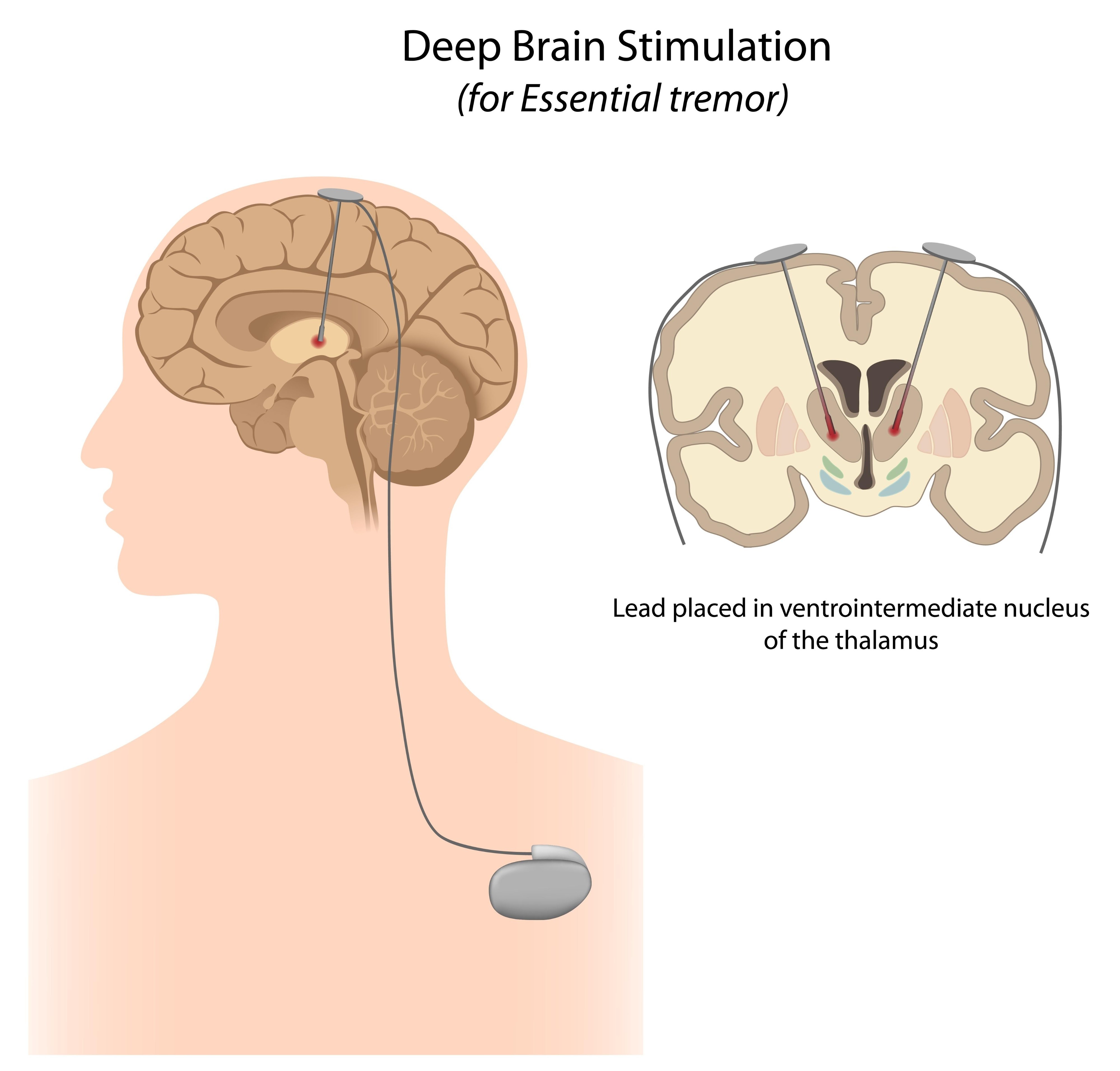
Core Objectives of the Standardized Study
The research aims to move beyond simple "observation" and into a definitive medical protocol. The primary goals include:
- Validation of Clinical Efficacy: The study utilizes the Montgomery-Åsberg Depression Rating Scale (MADRS), seeking a 50% or greater reduction in scores consistently over a 12-month period.
- Safety Standardization: Quantifying the long-term reliability of the hardware, including lead stability and battery performance, across a diverse, large-scale patient cohort.
- Quality of Life (QoL) Metrics: Moving beyond just "mood," the study measures social functioning, return-to-work rates, and cognitive restoration.
- Longitudinal Durability: Tracking the "sustainability" of the antidepressant effect to ensure that patients do not experience the "tachyphylaxis" (fading effect) often seen with traditional pharmaceuticals.
Patient Eligibility: Defining "Treatment-Resistance"
The TRANSCEND trial is not for mild or moderate depression; it specifically targets "Ultra-Treatment-Resistant" (UTR) cases. This rigorous selection process ensures that the data reflects the most difficult-to-treat populations.
Inclusion Criteria for the 2025-2026 Cohort
- Chronic Duration: Participants must have been in their current depressive episode for a minimum of 24 consecutive months.
- Pharmacological Failure: Documented non-response to at least four distinct antidepressant classes, including SSRIs, SNRIs, and TCAs.
- Interventional History: Previous failure of non-invasive brain stimulation, such as Transcranial Magnetic Stimulation (TMS) or Electroconvulsive Therapy (ECT).
- Stability Profile: Candidates must have a stable support system and the cognitive capacity to comply with a rigorous 24-month follow-up schedule.
The Surgical and Post-Operative Protocol
The procedure is a two-stage intervention that combines high-precision neurosurgery with long-term "dose" titration.
Stage 1: Stereotactic Implantation
Using advanced neuroimaging (fMRI and DTI), surgeons identify the specific white-matter tracts—often the Subcallosal Cingulate or the Medial Forebrain Bundle—to place the electrodes. The precision is measured in millimeters to ensure the electrical field covers the intended neural network.
Stage 2: The "Mapping" Phase
The device is not "turned on" immediately. After a healing period of 2–4 weeks, the patient begins the titration phase:
- Parameter Testing: Clinicians test different voltages, frequencies, and pulse widths.
- Symptom Feedback: Patients report acute changes in "lightness," "energy," or "connectedness" during the mapping sessions.
- Optimization: The goal is to find the "Goldilocks zone" where mood is stabilized without causing side effects like tingling or speech changes.
"We are moving away from a 'one-size-fits-all' approach. Through the TRANSCEND study, we are learning that the 'dose' of electricity is as personalized as a thumbprint." — Lead Clinical Coordinator.
Looking Ahead: The Impact on Global Mental Health
If the TRANSCEND data continues its current trajectory, the implications for the 2030s are profound.
- Accessibility: FDA approval would likely trigger insurance coverage, moving DBS from an "experimental" luxury to a standard-of-care for refractory depression.
- Systemic Change: Reducing the burden of chronic depression could save billions in healthcare costs and lost productivity.
- Scientific Clarity: The massive dataset generated by this trial will provide researchers with the first "Big Data" map of the depressed brain's response to direct stimulation.